It is the project I am most proud of, and for a long time I could not explain why. A group of nearly a hundred students flew in from the United States. My job was to make them and a roomful of Vietnamese students build something together in a weekend. This is what actually happened.
How it started
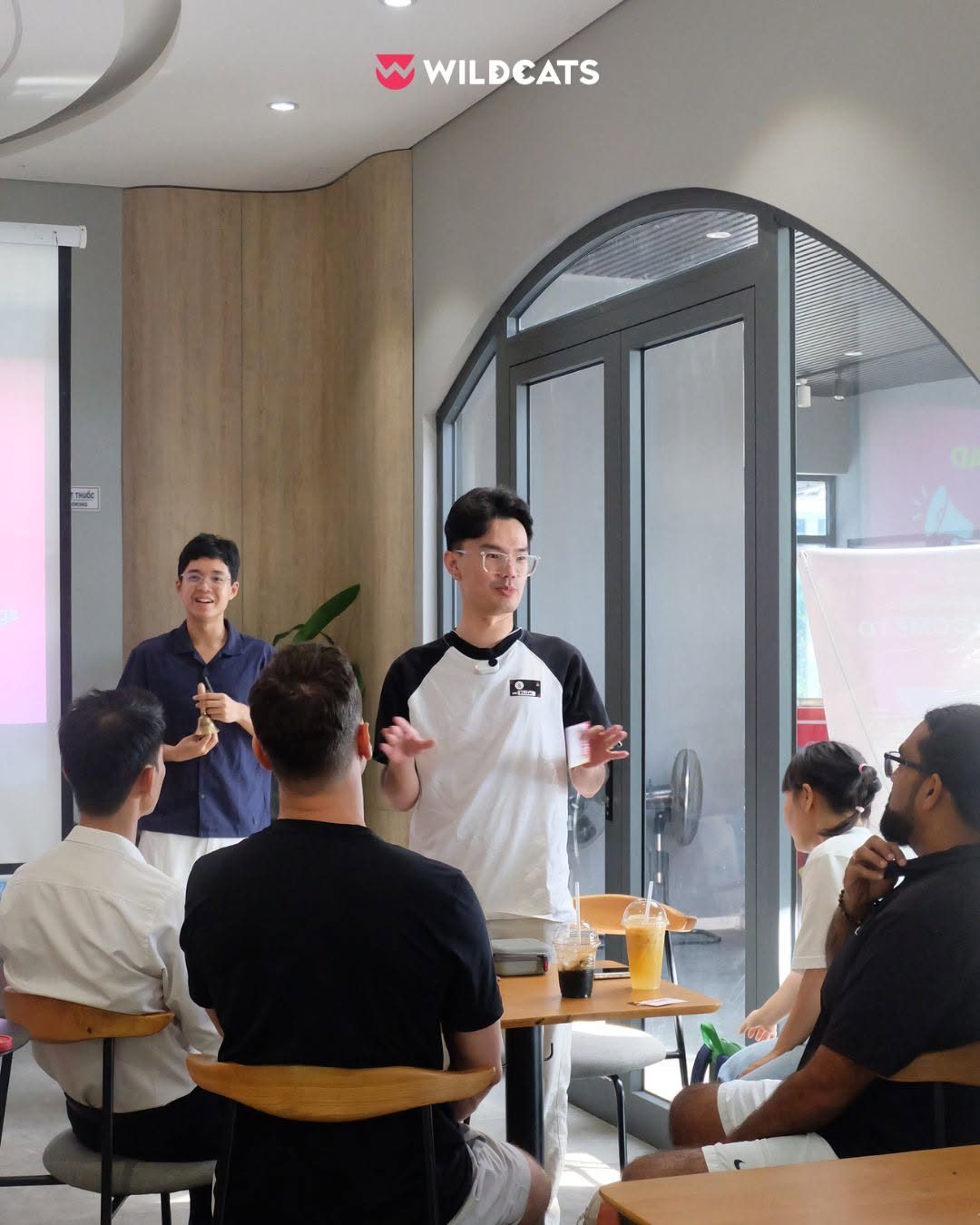
I work for Wildcats Global. We are the middleman — we connect universities, businesses, and students across countries. So when an American university wanted to send a big group to Đà Nẵng, the job landed on me: connect them to my own university, host a networking session across both schools, and run a hackathon where the mixed teams would build something that actually helped the community.
Nearly a hundred people. Two languages. Two cultures. One weekend. And I was the main owner of every single task — the first time that had ever been true for something this big.
The part nobody tells you about hosting
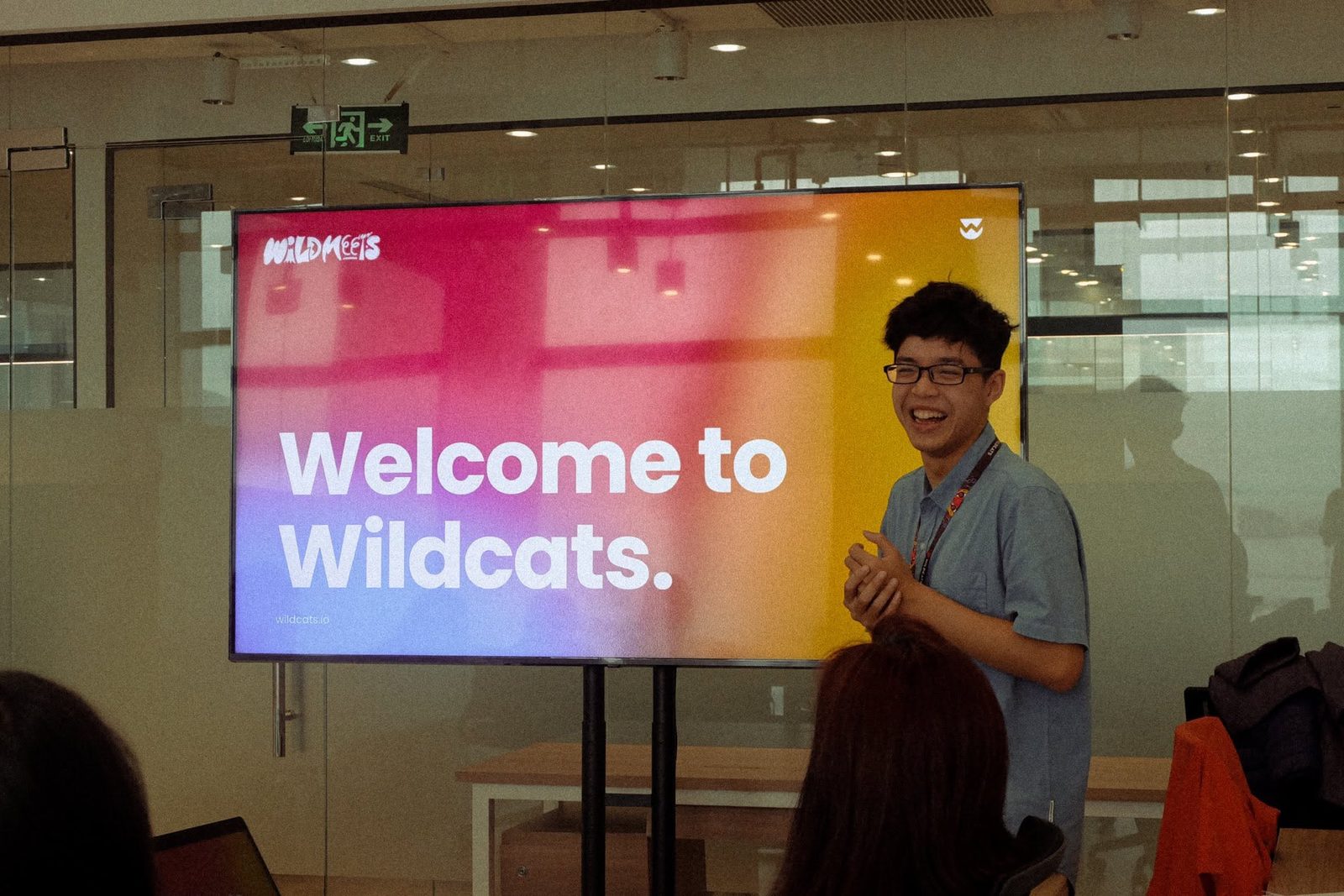
Most of my job at Wildcats is being the MC — the person on stage with the microphone — plus the invisible backend work that makes the stage moment possible. This time there was no "someone else" handling logistics. If it broke, it was mine.
The microphone is the easy part. The hard part is the hundred small decisions that make the microphone moment possible.
You learn fast that an event is not a performance. It is a system. Who meets whom, in what order, with what prompt, in which language, for how long — every one of those is a lever, and pulling them right is what turns a room of nervous strangers into a room that is actually working together by hour three.
The moment I stopped being a helper
Halfway through the hackathon I looked up from my laptop and realised something had shifted. The American students were deep in conversation with the Vietnamese students — not because I had told them to, but because the structure I had built made it the obvious thing to do. Teams were forming across the language line without me pushing. Ideas were happening. I had spent years being the person who helps the person in charge. That weekend I was the person in charge.
I did not feel ready. I have never felt ready for anything, honestly. But the room did not care how I felt. It cared whether the thing worked. And it worked.
Why this is the project I am proudest of
None of the software I have built since feels as good as that weekend felt. A CRM can serve six thousand customers and I am proud of it — but watching a hundred strangers become collaborators in a single afternoon is a different kind of proof. It proved I could take a messy human problem, design a structure that solved it, and run it live under pressure.
That is exactly what I do now with software. The technology changed. The skill did not.
— Lucas, Đà Nẵng. This essay is part of a series on the work that taught me how I work.