A clothing shop runs its whole day on this
Who to message, which orders don't add up, where the money went. Four years of history, cleaned. 78 automated checks have to pass before anything reaches the shop.
Give me a messy business problem. I'll find the real problem, use AI to build the solution, and ship it. A clothing shop in Đà Nẵng runs 6,874 customers and 4,076 orders through something I made. None of it existed in April.
I'm not a developer. I'm a generalist who ships — the person who used to need a developer, which is exactly why I ask the questions a client would ask.
Making the shop's system boring — no surprises, no lost rows, no phone calls at 3am. Last week it survived a merged-cell disaster in the client's own spreadsheet, which is the sort of unglamorous win I'm most pleased about.
Teaching a village of AI characters to be talked into things. Writing up what I learned auditing 123 of my own work sessions. And taking on one international client — if you have a business problem that nobody has been able to describe properly yet, that's the kind I like.
Who to message, which orders don't add up, where the money went. Four years of history, cleaned. 78 automated checks have to pass before anything reaches the shop.

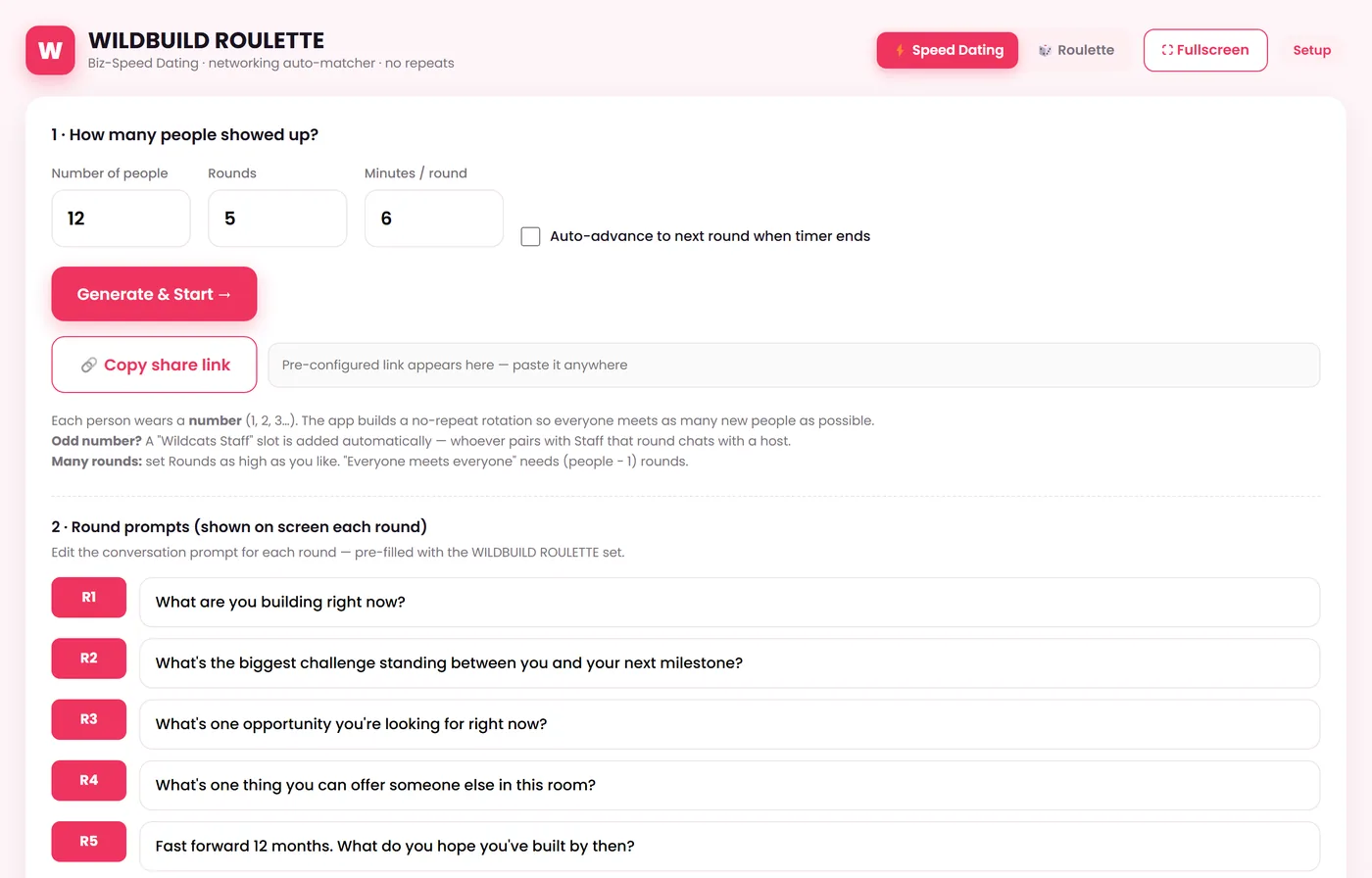
Teams of five to ten, bilingual audiences, a new venue every month. I stopped doing the repetitive half by hand and built the tools that now do it — matching, reminders, briefings.

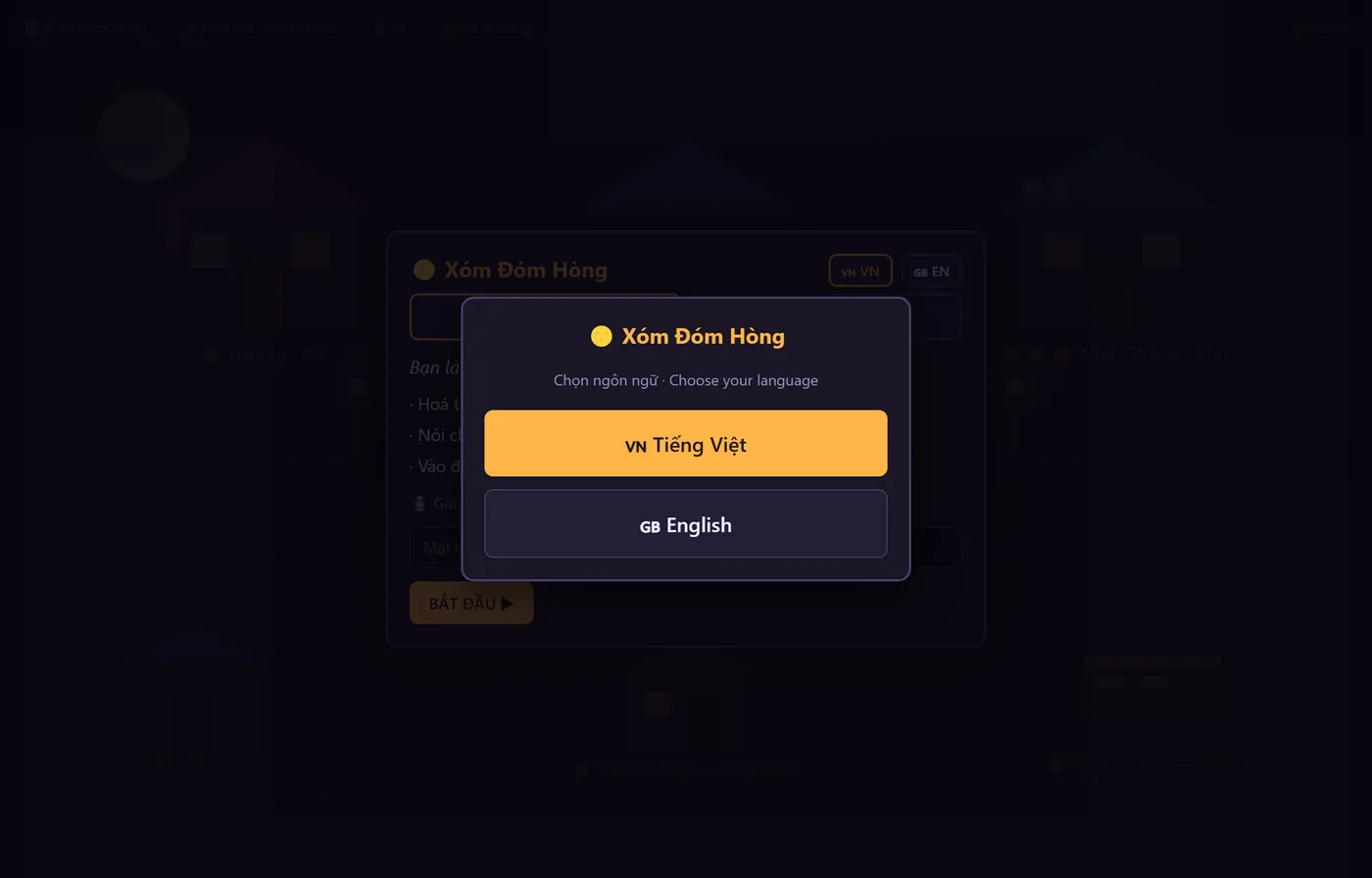
Knock on doors in a Vietnamese village and argue your way inside. An AI judges whether your story held up — but code counts the points, so the AI can't be sweet-talked.
Humans and AI bots play social deduction together; every player trains their own bot. One architecture fix — moving the match log server-side and filtering it per viewer — closed three separate bugs at once.
Two phones, one deck of restaurants. Swipe together, double-tap the same place, done in under two minutes. 21 named analytics events, one north-star metric, pass numbers written before launch.
An import/export firm was counting 800 cancelled trips as real ones. I built an approval gate that retires a corrected rule instead of stacking new rules on top, and it now reproduces their approved June figures exactly.
A bilingual A5 welcome book for a Đà Nẵng apartment: web-to-print PDF, real photos pulled from an open API, and a neighbourhood map screenshotted by a script so it never goes stale.
An investor deck rebuilt on a 12-slide structure with a big-bold visual style, branded end to end and handed to the founders for their raise.
The operating system behind all of this: 6 specialised AI agents, 17 automated quality gates, a skill library cut from 887 tools to 522, and a live board showing every running session.
One session researches and asks everything at once. A different session builds. The plan can't hand-wave, because the planner never touches the code.
Then it runs to the end without interrupting you. I stop only for what can't be undone — going live, deleting, sending, spending.
Every experiment says what "it worked" means as a number, before it runs. Otherwise you only get a story afterwards.
Twenty-five dated backups sit in one client's project. None were ever needed. That is entirely the point.
The fastest way to find out if I can help is to tell me what's broken.